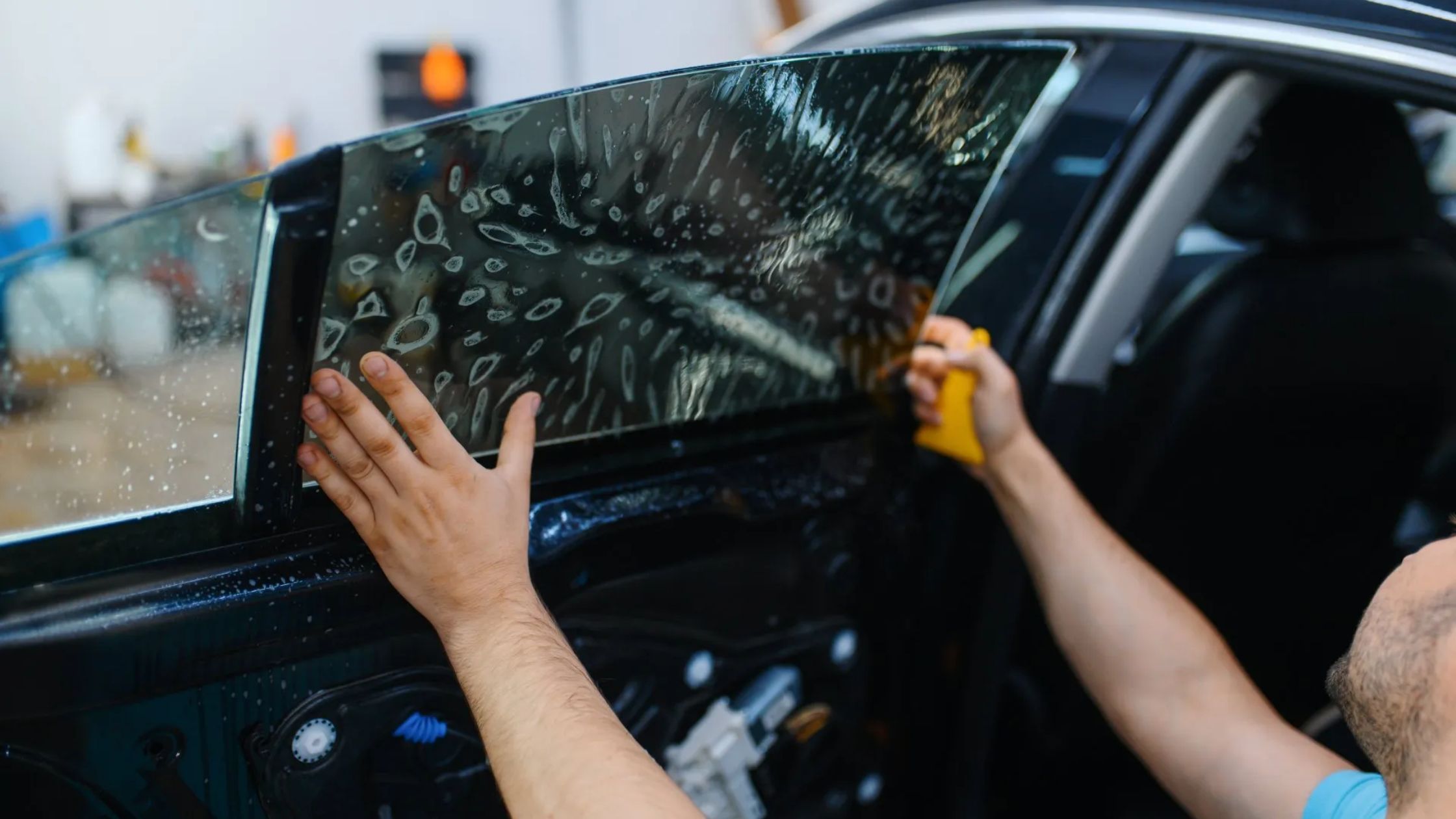
What Is the Darkest Legal Window Tint Allowed in Charleston, SC?
The darkest legal window tint allowed for passenger cars in South Carolina is 27 percent Visible Light Transmission (VLT) on all side windows and the rear windshield. When opting for window tinting charleston, it is vital to adhere to these specific state regulations to ensure your vehicle remains compliant with local law enforcement standards. For multi-purpose vehicles such as SUVs, trucks, and vans, the 27 percent VLT rule applies only to the front side windows, while any level of darkness can be applied to the rear side and back windows. These laws are designed to balance the need for significant heat rejection and privacy with the safety of drivers and officers during traffic stops. Choosing a professional installer ensures that your film is measured accurately with a tint meter and includes the mandatory compliance sticker required by the South Carolina Department of Public Safety.
Navigating the humidity and intense sun of the Lowcountry makes window film a necessity rather than a luxury. While the urge to go as dark as possible is common, exceeding the legal limit can lead to costly citations and the requirement to strip the film entirely. By understanding the nuances of VLT and reflectivity, Charleston residents can achieve a sleek aesthetic and maximum infrared rejection without crossing legal boundaries. This guide explores the detailed breakdown of South Carolina window tint limits to help you make an informed decision for your vehicle.
What is the legal tint percentage Charleston drivers must follow?
Following the proper window tinting charleston standards means maintaining a minimum of 27 percent VLT on the front side windows of every vehicle on the road. This percentage refers to the amount of visible light that can pass through both the film and the factory glass combined. It is a common misconception that the film alone determines the final percentage, but most factory glass already has a slight tint of roughly 70 to 80 percent. A professional shop will account for this baseline to ensure the final result does not dip below the legal 27 percent threshold.
For passenger sedans and coupes, this 27 percent limit extends to every window on the car except for the front windshield. The law is uniform for these vehicles to ensure consistent visibility for the driver in all directions. If you choose a film that is too dark, you may experience difficulty navigating poorly lit areas like the James Island Connector or dark rural roads in West Ashley at night. Maintaining a legal shade ensures that your safety is never compromised for the sake of appearances.
In contrast, the rules for "multi-purpose vehicles" provide more flexibility for those who carry passengers or cargo in the rear. SUVs and vans can utilize much darker films, often referred to as "limo tint," on the windows behind the driver. This is particularly beneficial for parents who want to keep their children cool and shielded from the harsh afternoon sun during long commutes. Regardless of the darkness used on the rear, the front two windows must always allow at least 27 percent of light to pass through to remain legal in South Carolina.
Visible Light Transmission (VLT) Explained
Visible Light Transmission is the standard metric used by the window film industry and law enforcement to measure the darkness of a tint. A lower VLT percentage indicates a darker film that blocks more light, while a higher percentage indicates a lighter film. For example, a 5 percent VLT film is extremely dark and only allows 5 percent of light through, whereas a 70 percent film is nearly transparent.
The 27 percent VLT limit in South Carolina is actually more generous than in many other states, providing a significant amount of privacy and shade. This level of darkness is usually sufficient to hide valuables in the front seat and provide a sleek, uniform look across the vehicle. When combined with modern ceramic technology, a legal 27 percent film can reject a massive amount of solar energy without the legal risks associated with darker, illegal films.
Understanding the AS-1 Line for Windshields
The front windshield of your vehicle has very specific rules that differ from the side windows. South Carolina law allows for a non-reflective tint strip to be applied to the top of the windshield, but it must stay above the AS-1 line. This line is a small marking found on most factory glass that indicates the lowest point where a visor strip can safely be placed without obstructing the driver's view.
If your vehicle does not have a visible AS-1 line, the law generally allows for a strip of up to five or six inches from the top of the glass. This "eyebrow" or "visor strip" is highly effective at blocking the glare of the sun as it rises or sets over the Cooper River. It provides immediate relief for the eyes without the need for sunglasses, as long as it remains within the legal boundary and does not contain any red or amber colors.
South Carolina window tint limits for passenger cars vs SUVs
Understanding the distinction between vehicle types is the most important part of planning your window tinting charleston service. Passenger cars, defined as any vehicle designed primarily to carry people and having a traditional trunk or hatch, are held to the most stringent standards. These vehicles must maintain the 27 percent VLT on every piece of glass. This includes the driver and passenger front doors, the rear doors, and the back windshield.
Multi-purpose passenger vehicles (MPVs), which include SUVs, crossovers, pickup trucks, and minivans, follow a dual-standard approach. Because these vehicles are often used for work or larger families, the state allows for maximum privacy in the rear cabin. This means you could legally install a 5 percent film on the back windows of your Ford F-150 or your Honda Odyssey while being restricted to 27 percent on the front windows.
The reason for this distinction is primarily based on federal safety standards and the way vehicles are classified by manufacturers. Inspectors and law enforcement officers look at the door pillar sticker to determine the vehicle's classification. If your vehicle is classified as a "Passenger Car," you must follow the strict 27 percent rule all around. If it is an "MPV," you can enjoy the added darkness in the rear.
Car vs SUV Tint Comparison
|
Vehicle Area |
Passenger Car Limit |
SUV/Truck/Van Limit |
|
Front Windshield |
Above AS-1 Line Only |
Above AS-1 Line Only |
|
Front Side Windows |
27% VLT |
27% VLT |
|
Rear Side Windows |
27% VLT |
Any Darkness |
|
Back Windshield |
27% VLT |
Any Darkness |
|
Reflectivity Limit |
20% or less |
20% or less |
This table provides a quick reference for anyone trying to navigate the legal tint percentage Charleston shops must adhere to. It is important to remember that these are the minimum light transmission requirements. You can always choose a lighter film, such as a 35 percent or 50 percent, but you cannot legally go lower than 27 percent on the restricted windows.
Why Reflectivity Matters in South Carolina
In addition to darkness, the law also regulates how "shiny" or reflective a window film can be. South Carolina prohibits any window tint that is more than 20 percent reflective. High reflectivity can create a mirror effect that blinds other drivers, especially when the sun is at a low angle over the water. This is why many "chrome" or "mirror" tints are prohibited or strictly limited.
Modern ceramic and carbon films are designed with low reflectivity in mind. They provide a deep, matte, or charcoal finish that absorbs light rather than reflecting it. This ensures that you get the heat rejection you need without creating a hazard for other motorists on the Ravenel Bridge. A professional installer will always verify the reflectivity rating of the film before beginning the application.
Understanding VLT rules Charleston law enforcement monitors
Law enforcement officers in the Lowcountry are equipped with portable tint meters that allow them to check the legality of your windows in seconds. These devices work by sliding over the edge of the glass and shining a light through it to measure the transmission on the other side. Because the VLT rules Charleston officers enforce are objective, there is very little room for debate if your windows are tested.
If you are pulled over and your tint is found to be below the 27 percent limit, you may receive a citation that carries a fine. In many cases, these are "fix-it" tickets, meaning the fine may be reduced or waived if you provide proof that the illegal tint has been removed. However, the cost of removing the film and then paying for a new, legal installation is a significant financial burden that is easily avoided by following the law from the start.
Beyond the side windows, officers also look for prohibited colors. South Carolina law explicitly forbids the use of red, amber, or yellow tint on any window. These colors can interfere with the way traffic signals and brake lights are perceived, creating a safety risk. Most professional shops only carry shades of charcoal, black, and bronze to ensure every customer stays within the bounds of the law.
The Role of the Compliance Sticker
A unique feature of South Carolina window tint law is the requirement for a compliance sticker. According to state statutes, a professional installer must place a small sticker between the film and the glass on the driver's side window. This sticker is proof that the tint was installed by a professional and that it met the 27 percent VLT requirement at the time of installation.
The sticker typically includes the name and location of the shop. If you are stopped by a police officer, this sticker serves as your first line of defense. It shows that you made an effort to follow the law and that a professional verified the work. If your car lacks this sticker, an officer may be more inclined to use their meter to check the windows manually.
Why Some Factory Tint is Different
You may notice that many new SUVs and trucks come from the factory with very dark rear windows. This is known as "privacy glass." This glass is not covered by a film; rather, the glass itself is pigmented during the manufacturing process. Privacy glass provides excellent privacy but often lacks the UV and infrared rejection of high-quality window film.
Because privacy glass is a factory feature, it is completely legal. However, when you go to add film to the front windows to match the rear, you must still follow the 27 percent rule. You cannot legally match the front windows to a 15 percent factory rear window. A professional can help you choose a film that provides a similar aesthetic while staying on the right side of the law.
Why professional window tinting charleston is the safest option
Attempting a DIY window tint project often leads to legal and aesthetic complications. Home-use kits rarely provide the accuracy needed to hit a specific VLT target. If you buy a "20 percent" film at a big-box store and apply it to glass that already has a slight tint, you will end up with a final result closer to 15 percent, which is illegal. Choosing a professional window tinting charleston service ensures that the final combination of glass and film is tested with a professional meter to guarantee compliance.
Furthermore, professional installers use computer-cut plotters that are programmed with the exact dimensions of your vehicle's glass. This prevents the need for hand-cutting with razor blades, which can damage the glass or the delicate rubber seals. A clean, precise fit is essential for the film to stay adhered for the long term, especially given the constant salt and humidity in our coastal air.
If you are concerned about the legality of your current tint or want to ensure your new vehicle is protected correctly, you should contact us to speak with a certified specialist. Our team can perform a complimentary tint check to see where your current windows stand. We provide a professional environment where we prioritize your legal safety and your physical comfort, using only the highest quality ceramic and carbon materials.
The Precision of Computer-Cut Patterns
One of the biggest differences between a "budget" tint job and a professional one is how the film is cut. Hand-cutting film on a car is a risky process that can lead to "light gaps" at the edges of the window. These small gaps not only look unprofessional but also allow heat to enter the vehicle.
Computer-cut technology uses a massive database of vehicle templates to cut the film to within a fraction of a millimeter. This ensures that the film goes right to the edge of the glass and fits perfectly around the rear-view mirror and sensor housings. This level of precision is the only way to achieve a "factory" look that lasts for the life of the vehicle.
Benefits of Ceramic and Carbon Films
When you are restricted to a legal tint percentage Charleston law allows, you want to get the most performance out of that 27 percent. Older dyed films provide very little heat rejection at legal shades. However, modern ceramic films can block up to 90 percent of infrared heat even at a lighter, completely legal shade.
Carbon films offer another great alternative, providing a deep matte finish that will never fade or turn purple. Both ceramic and carbon materials are inorganic, meaning they do not contain the dyes that break down under the intense South Carolina sun. Investing in these materials ensures that your legal tint continues to perform and look great for as long as you own the car.
How to apply for a medical waiver in South Carolina
For residents who suffer from specific medical conditions that make them sensitive to light, South Carolina offers a medical waiver for darker window tint. This is a common request for those with lupus, porphyria, or other autoimmune disorders that are exacerbated by UV exposure. To qualify, you must have a licensed physician certify that your condition requires a darker-than-normal window tint for your health and safety.
The process involves filling out an application through the South Carolina Department of Motor Vehicles (SCDMV). Your doctor must provide their medical license number and a detailed explanation of why the 27 percent VLT limit is insufficient for your needs. Once approved, the SCDMV will issue a certificate that you must carry in the vehicle at all times.
It is important to note that a medical waiver does not give you carte blanche to do whatever you want. The waiver usually specifies the degree of darkness allowed and may still have restrictions on windshield coverage. A professional shop can help you understand the limitations of your waiver and install the film safely once you have the proper documentation in hand.
Eligible Conditions for Waivers
While the SCDMV evaluates applications on a case-by-case basis, certain conditions are more commonly approved than others. These include:
- Systemic Lupus Erythematosus (SLE)
- Porphyria
- Xeroderma Pigmentosum
- Severe Photodermatitis
- Albinism
If you believe you have a condition that warrants a waiver, start by discussing it with your dermatologist or primary care physician. They will need to provide the professional medical evidence required by the state. Once you have your certificate, you can legally enjoy a darker environment that protects your health.
Managing a Vehicle with a Waiver
Having a medical waiver does not prevent law enforcement from stopping you, but it does provide you with a legal defense. When an officer sees a vehicle with very dark front windows, they are likely to initiate a stop. You should immediately inform the officer that you have a medical waiver and provide the certificate along with your license and registration.
Most officers are familiar with this process and will simply verify the certificate before sending you on your way. To make the process smoother, some drivers choose to keep a copy of their waiver in a clear sleeve on the visor for easy access. Being organized and respectful is the best way to manage the increased attention that darker tint may bring.
The consequences of illegal window tint in Charleston
Driving with illegal window tint in the Lowcountry is a gamble that rarely pays off. Law enforcement agencies in the area, including the Charleston Police Department and the Highway Patrol, are proactive about checking tint during routine traffic stops. The fines for illegal tint can vary, but they often exceed $100 for a first offense.
Beyond the fine, the most frustrating consequence is the "removal order." In many cases, you will be required to prove that the illegal film has been removed within a certain timeframe. Removing professional-grade window tint is a difficult process that often requires specialized steamers and chemicals to avoid damaging the defroster lines on the rear windshield. If you try to do it yourself, you risk ruining your glass.
Finally, illegal tint can become a liability issue in the event of an accident. If you are involved in a collision at night or in low-visibility conditions, an insurance company or a legal adversary could argue that your illegal tint contributed to the accident by obstructing your view. Staying within the South Carolina window tint limits protects your wallet, your driving record, and your legal standing.
The Difficulty of Removing Illegal Tint
Once window film has fully cured, the adhesive bond is incredibly strong. If you are ordered to remove illegal tint, you cannot simply "peel it off" like a sticker. Doing so will leave a thick layer of sticky residue that is nearly impossible to clean without professional tools. On the back window, peeling the film can tear the delicate copper heating elements used for defrosting.
Professional removal involves using a high-pressure steamer to soften the adhesive before gently lifting the film. This is a time-consuming process that usually costs between $100 and $200. When you add the cost of the initial illegal tint, the fine, and the removal fee, you could have paid for the highest-quality ceramic tint job twice over.
Impact on Vehicle Inspections and Moving
If you plan to move out of South Carolina, you should be aware that many other states have even stricter tint laws. For example, some states require 35 percent or even 50 percent VLT on front windows. If you move to one of these states with a "legal" 27 percent South Carolina tint, you will fail the mandatory state inspection and be forced to remove it.
Conversely, if you move from a state like New York or Pennsylvania where front tint is often illegal, you will be thrilled to learn about our 27 percent limit. A professional shop can help you transition your vehicle to local standards, ensuring you are legal and protected for the specific heat of the Charleston climate.
FAQs: South Carolina Window Tint Laws
Can I tint my entire front windshield in South Carolina?
No, you cannot legally tint the entire windshield unless you have a specific medical waiver. The law only allows for a non-reflective tint strip above the AS-1 line or the top five inches of the glass. Using a nearly transparent "clear" ceramic film on the entire windshield is a popular choice for heat rejection, but it is technically not legal under the letter of the law without a waiver.
Is 20 percent tint legal in Charleston?
For the front side windows of any vehicle, 20 percent is illegal, as it is below the 27 percent VLT limit. However, 20 percent is perfectly legal for the rear windows of an SUV, truck, or van. Passenger cars must maintain 27 percent on all windows.
Do I need a sticker to show my tint is legal?
Yes, South Carolina law requires a compliance sticker to be placed on the driver's side window between the film and the glass. This sticker identifies the installer and confirms the film meets state requirements.
What happens if I get a ticket for my window tint?
You will typically be fined and given a certain amount of time to remove the illegal film. Once the film is removed, you may need to have the vehicle inspected by an officer to "clear" the ticket. It is best to avoid this hassle by sticking to the 27 percent limit from the start.
Does the 27 percent rule apply to out-of-state drivers?
Technically, vehicles are supposed to follow the laws of the state in which they are registered. However, if your tint is dangerously dark, an officer may still pull you over to investigate. If you are visiting Charleston, it is wise to ensure your tint isn't so dark that it attracts unnecessary attention.
Conclusion
Understanding the legal tint percentage Charleston drivers must follow is the best way to ensure your vehicle is both comfortable and compliant. By sticking to the 27 percent VLT limit for passenger cars and front windows on MPVs, you enjoy a high level of privacy and protection without the risk of legal penalties. Audio Evolution is committed to providing our community with expert guidance and precision installation that meets every state requirement. We take pride in our ability to maximize your vehicle's aesthetic and thermal performance while ensuring you have the mandatory compliance sticker and peace of mind. When you are ready to upgrade your ride with a legal, high-performance tint, reach out to our team to see how we can transform your driving experience. We look forward to helping you stay cool and legal through every season in the Lowcountry. By choosing a professional window tinting charleston service, you are investing in the long-term health of your vehicle and your own driving safety.
- Hits: 1570