What Questions Should You Ask Before Tinting Your Car in Charleston?
When preparing for window tinting Charleston, the most critical questions you should ask involve the film's Total Solar Energy Rejection (TSER) ratings, the specific legal limits in South Carolina, and the details of the shop's lifetime warranty coverage. In our intense coastal climate, simply asking for the price is not enough to ensure your vehicle is protected from the blistering UV rays and humidity. You must inquire about the differences between ceramic and carbon technologies to find the best balance of heat rejection and visibility for your driving habits. By conducting a thorough interview with your installer, you can confirm that they use a dust-free environment and computer-cut patterns to avoid the common pitfalls of bubbling or glass damage. Choosing the right professional ensures that your investment provides long-term comfort and preserves your car's interior for years to come.
Understanding the technical aspects of window film is essential because the Charleston sun is much more aggressive than in other parts of the country. A standard dyed film might look good for a few months, but it lacks the infrared blocking capabilities needed to significantly lower your cabin temperature. When you ask the right questions, you are essentially vetting the expertise of the shop and the quality of the materials they use. This proactive approach prevents the frustration of "purple" tint or signal interference with your GPS and cellular devices. Whether you are a local resident or a frequent commuter, being an informed consumer is the first step toward a cooler and safer driving experience.
What should I ask a professional before getting my windows tinted?
Engaging in professional window tinting charleston requires a clear understanding of the environmental stressors unique to the Lowcountry. You should start by asking, "What is the TSER rating of the film you are recommending?" TSER is a more accurate measurement than simple heat rejection because it accounts for ultraviolet light, visible light, and infrared radiation combined. A high-quality ceramic film will often boast a TSER of over 60 percent, whereas a cheap dyed film might struggle to reach 30 percent. Knowing this number allows you to compare products objectively rather than relying on subjective marketing terms.
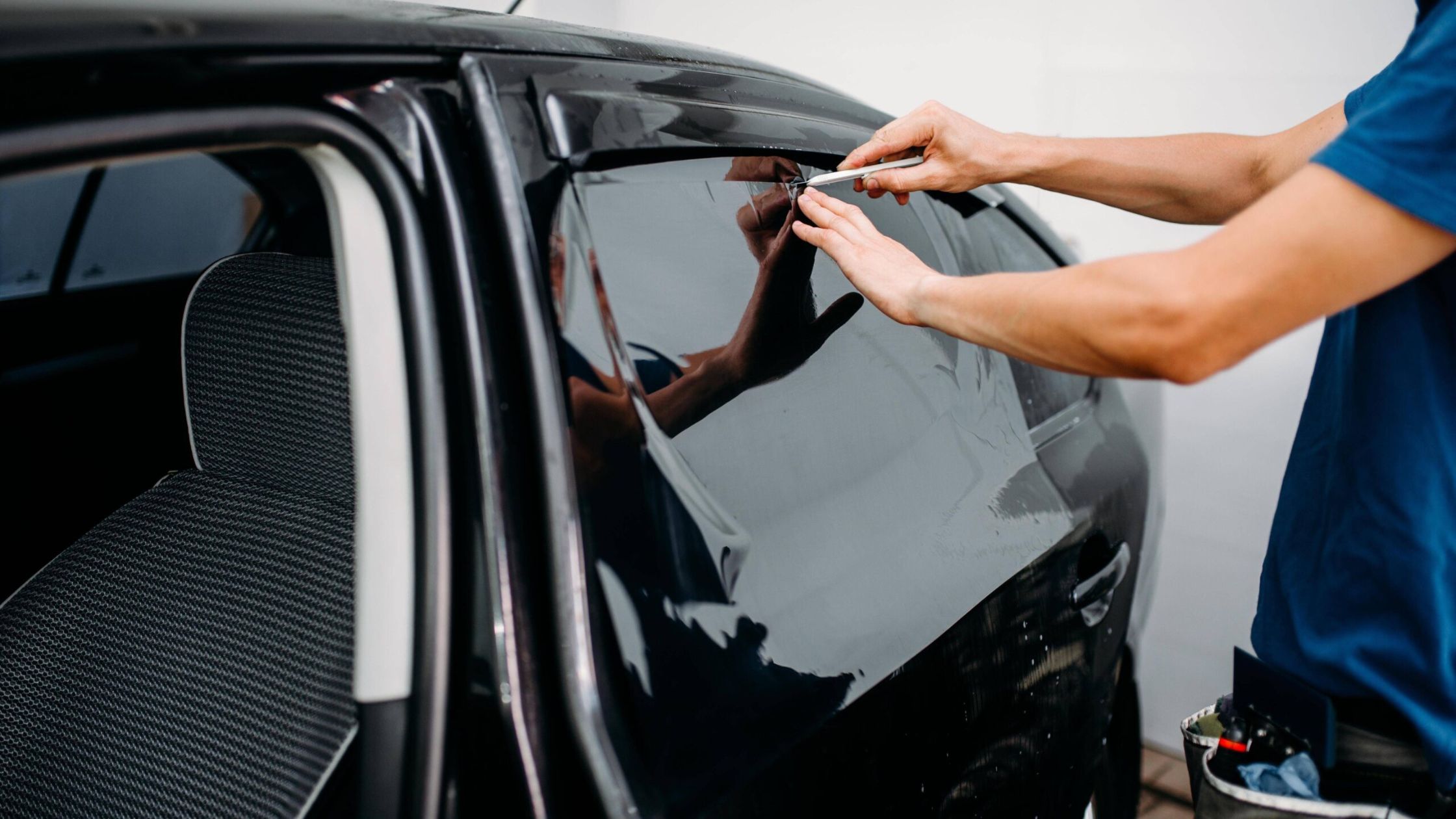
Another vital question is, "Do you use a computer-cut system for your film patterns?" Hand-cutting film directly on a vehicle’s glass is an older technique that carries the risk of leaving small scratches or "score marks" on the glass or the rubber seals. Computer-cut systems use precise digital templates to ensure a perfect fit with no gaps or jagged edges. This technology ensures that every window is covered exactly as the manufacturer intended, providing a much cleaner aesthetic and reducing the risk of human error during the installation process.
You must also ask about the shop’s installation environment. "Is your tint bay enclosed and climate-controlled?" In Charleston, the air is often thick with salt, humidity, and seasonal pollen, all of which can be trapped under the film if the shop is open to the outdoors. A professional-grade installation requires a clean-room environment to prevent dust specks from creating permanent bubbles on your windows. If a shop tints cars in an open garage or a parking lot, the quality of the finish will inevitably suffer from environmental contamination.
Car Tint Consultation Tips for Charleston Drivers
When you visit a shop for a consultation, take a moment to look at their sample displays. These tools allow you to feel the heat rejection of various films under an infrared lamp. This tactile evidence is often more convincing than a brochure because you can experience the "burning" sensation of the sun disappearing behind a ceramic film. It is one of the best car tint consultation tips we can offer: never buy a tint without feeling its performance first.
Ask the technician about the specific brand of film they carry and whether they are a certified or authorized dealer for that brand. Authorized dealers receive specialized training and have a direct line of communication with the manufacturer. This relationship is crucial if you ever need to file a warranty claim. If a shop uses "bulk" film from an unknown source, they cannot guarantee the color stability or the adhesive longevity of the product over time.
Don't forget to ask about the curing time specifically for our humid climate. "How long should I wait before rolling down my windows?" In a dry environment, the moisture behind the film might evaporate in 48 hours, but in Charleston's humidity, it can take up to five days. A professional will give you a clear timeline and may even place tape over your window switches to remind you to keep them closed. This small detail shows that the shop cares about the success of the installation as much as you do.
Is window tinting charleston a permanent solution for heat protection?
A professional window tinting charleston installation is considered a semi-permanent upgrade that can last the entire lifespan of the vehicle if high-quality materials are used. Unlike temporary window shades or suction-cup screens, window film provides a constant, uniform barrier against solar energy. However, the "permanence" of the solution is entirely dependent on the film's construction. For example, dyed films contain organic dyes that will eventually break down under the intense UV radiation of the South Carolina coast, leading to a purple or clear appearance.
Carbon and ceramic films are inorganic, meaning they do not fade or change color over time. These materials are spectrally selective, allowing them to filter out specific wavelengths of heat while maintaining optical clarity. If you choose these advanced options, the protection is essentially permanent for as long as you own the car. This long-term durability is what makes the investment worthwhile for residents who plan to keep their vehicles for several years in the Lowcountry heat.
The adhesive technology used in professional films has also evolved significantly. Modern adhesives are designed to withstand the extreme temperature fluctuations of a Charleston summer, where a car's interior can reach over 150 degrees Fahrenheit. A high-end installation prevents the delamination and bubbling that was common with older films. By asking about the adhesive's heat resistance, you can ensure that your tint stays looking like new regardless of how hot the pavement gets on King Street.
Questions Regarding South Carolina Tint Laws
Before you choose tint type Charleston residents must also ask, "How do you ensure my car stays legal under South Carolina VLT laws?" Every state has different rules regarding how dark your windows can be. In South Carolina, the law for passenger cars is 27 percent Visible Light Transmission (VLT) for all side windows and the rear windshield. This means 27 percent of the outside light must be allowed to pass through the glass. If you go darker than this, you risk being pulled over and fined, or even failing a vehicle inspection if you move to a state with stricter rules.
It is important to ask if the shop provides a compliance sticker. South Carolina law requires a small sticker to be placed between the film and the glass on the driver's side window. This sticker includes the shop's name and verifies that the tint meets the 27 percent legal requirement. A reputable shop will always include this as part of their service. If a shop offers to "go darker" without a sticker, they are putting you at legal risk and potentially voiding your ability to seek warranty support later.
For those who drive SUVs, vans, or pickup trucks, the rules are slightly different. While the front two windows must still meet the 27 percent VLT standard, the windows behind the driver can be as dark as you prefer. This is a great point to discuss during your consultation, as it allows you to maximize privacy and heat rejection in the back seat for children or pets while keeping the front legal and easy to see through at night.
Navigating Medical Waivers in Charleston
If you have a medical condition that requires you to have darker tints for health reasons, ask the shop for guidance on the medical waiver process. Conditions like lupus, solar urticaria, or extreme light sensitivity may qualify you for an exemption through the SCDMV. A professional shop can explain what documentation you need from your doctor to apply for this waiver.
Once you have an approved medical waiver, you must carry it in the vehicle at all times. The shop can then install a darker film legally based on your specific medical needs. This is a common practice for many residents in the Lowcountry who struggle with the intense brightness of the sun reflecting off the water. Having a shop that understands these bureaucratic hurdles is a major advantage when trying to protect your health.
Why You Should Ask About Glare Reduction
The sun reflecting off the Cooper and Ashley Rivers can be blinding, especially during the morning and evening commutes. Ask your installer, "Which film provides the best glare reduction without making the windows too dark?" High-performance films can reduce glare by up to 90 percent, which significantly lowers eye strain and makes driving much safer. This is particularly important for older drivers or those who frequently navigate the Ravenel Bridge during sunrise or sunset.
Glare reduction is not just about the shade of the tint but also the quality of the polyester. Premium films have higher optical clarity, meaning they reduce the "haze" that can occur with cheaper products. This ensures that your view of the road remains sharp and clear, even when you are driving directly into the sun. Asking about "visible light reflectance" is also helpful, as you want to avoid a film that is too shiny on the inside, which can create distracting reflections of your dashboard.
Warranty and Post-Care Questions
One of the most important items on your pre-tint questions checklist should be the warranty. Ask, "What exactly does your lifetime warranty cover?" A standard professional warranty should cover bubbling, peeling, cracking, delamination, and fading. It should also be a "nationwide" warranty, meaning if you move out of Charleston, you can go to any authorized dealer in your new city for a free repair. If the warranty is only valid at that specific shop, it is much less valuable.
Ask if the warranty covers "accidental damage." Most standard warranties do not cover things like seatbelt nicks or scratches caused by children or cargo. However, some premium shops offer "no-fault" warranties for an extra fee. If you have a busy lifestyle or a family, this added protection can be a lifesaver. Knowing the limitations of the warranty upfront prevents any unpleasant surprises if you ever need to file a claim.
Finally, ask about the maintenance of the film. "What cleaning products are safe to use on this tint?" Most professional films are sensitive to ammonia, which is found in many common glass cleaners. Ammonia can slowly eat away at the top coat of the film, leading to a dull or hazy finish. A professional will recommend using a simple ammonia-free glass cleaner and a soft microfiber towel to keep your windows looking perfect for years.
The Importance of a Professional Receipt
When the job is done, ensure you receive a detailed, printed receipt. This document should include the date of installation, the specific film type used, the VLT percentage, and the vehicle's VIN. This receipt is your "passport" for any future warranty work. Store it in your glove box or with your vehicle's title.
Many manufacturers now offer digital warranty registration. Ask the shop if they handle this for you or if you need to go online to register the product yourself. Completing this step ensures that your warranty is active and searchable in the manufacturer's database. This digital record is a great backup in case you lose your physical paperwork over the years.
What to Look for in Post-Install Quality
When you pick up your car, ask the technician to walk you through the results. "Are there any areas I should be concerned about during the drying phase?" It is normal to see a few tiny water bubbles or a slight "haze" immediately after installation. These are signs that the moisture used during the application is still evaporating. A professional will explain that these will disappear as the film cures.
However, you should look for "light gaps" or "film fingers." A light gap is an area where the film doesn't reach the edge of the glass, while a finger is a small ridge of film that hasn't adhered to the window. If you see these immediately, point them out. A professional will often be able to "squeegee" them down right there on the spot. This final walkthrough is your best chance to ensure the quality meets your expectations.
|
Question Type |
What to Ask |
Expected Professional Answer |
|
Material Quality |
"Is this a nano-ceramic or a dyed film?" |
"This is a premium nano-ceramic film for max heat rejection." |
|
Legal Compliance |
"Will this meet the SC 27% VLT law?" |
"Yes, we use a tint meter to verify and provide a sticker." |
|
Installation |
"Do you use a computer-cut plotter?" |
"Yes, we use digital templates for a perfect, gap-free fit." |
|
Environment |
"Is your tint bay climate-controlled?" |
"Yes, it is fully enclosed to prevent dust and pollen." |
|
Warranty |
"Is the lifetime warranty nationwide?" |
"Yes, it is backed by the manufacturer at any authorized dealer." |
Choosing the Right Shade for Your Lifestyle
As you prepare to choose tint type Charleston, you should consider your primary goal. Is it privacy, heat rejection, or a specific aesthetic? If you want the "limo" look for your SUV, you can go as dark as you want on the back windows. However, if you are more concerned about being able to see clearly during a heavy Charleston rainstorm at night, you might opt for a lighter ceramic shade that provides the same heat rejection as a darker film.
The color of your car's interior also plays a role in how dark the tint looks. A car with a black leather interior will make a 35 percent tint look much darker than a car with a tan or light gray interior. Ask the installer to hold up samples of different shades against your specific car windows. This visual aid is much more accurate than looking at samples on a wall display inside the shop.
If you are a frequent user of the Lowcountry's outdoor spaces, such as Folly Beach or the Isle of Palms, you may want to ask about "anti-glare" properties for your front windshield. A nearly transparent 70 percent or 80 percent ceramic film can be applied to the entire windshield legally in many cases (with a waiver) or at least a visor strip. This drastically reduces the heat coming through the largest piece of glass on your vehicle, making a huge difference in your comfort.
The Impact on Air Conditioning Efficiency
A major benefit of high-quality window film is the reduced load on your vehicle's air conditioning system. Ask your consultant, "How much can I expect to lower my cabin temperature?" In a black car sitting in a parking lot in West Ashley, a ceramic tint can lower the interior temperature by as much as 20 to 30 degrees compared to an unprotected car.
This efficiency means your car cools down much faster when you start it up after a long day at the office. It also saves on fuel, as the engine doesn't have to work as hard to power the AC compressor. Over the life of your vehicle, these fuel savings can actually help offset the cost of the tint installation. It is an investment that pays dividends in both comfort and operational costs.
Protecting Your Interior Value
The South Carolina sun is notoriously hard on leather and plastic. Ask the technician, "How much UV protection does this film provide?" Most professional films block 99 percent of UV rays, which are the primary cause of dashboard cracking and upholstery fading. If you plan to trade in your car or sell it privately in the future, having a pristine interior will significantly boost its resale value.
Interior restoration is incredibly expensive. Replacing a cracked dashboard or faded leather seats can cost thousands of dollars. A window tint is a fraction of that cost and acts as a constant "sunscreen" for your car's interior. When you view tinting as a form of preventative maintenance, the cost of the professional service becomes much easier to justify.
Why Experience Matters in the Charleston Market
The Lowcountry has a high volume of tint shops, but not all are created equal. Ask, "How many years of experience does your lead installer have?" Window tinting is a craftsmanship-heavy trade. It requires a steady hand and an eye for detail that only comes with years of practice. An experienced installer knows how to handle the "frit" (the black dots around the edge of the glass) and the complex curves of modern rear windshields.
Experience also means the shop has seen it all. They know which car models are difficult to tint and where the hidden sensors are located. For example, some newer BMWs and Teslas have delicate electronics near the windows that can be damaged by the water used during installation. An experienced professional knows how to protect these areas with "soak ropes" and towels to ensure your car stays safe.
If you are looking for a team that understands the specific needs of Charleston drivers, we encourage you to contact us to schedule a tour of our facility. We take pride in our process and love showing potential clients the technology we use to protect their vehicles. Building a relationship with a local shop ensures that you have a partner who will be there for you if you ever have questions or need a repair.
Navigating Online Reviews and Feedback
When researching local shops, look beyond the star rating. Read the reviews specifically for "window tinting." Look for customers who mention that the shop was professional, answered all their questions, and delivered the car on time. A shop that takes the time to respond to their reviews both positive and negative, shows a level of accountability and customer care that is essential in the service industry.
Look for reviews from owners of vehicles similar to yours. If you drive a luxury sedan or a high-end electric vehicle, you want to see that the shop has successfully worked on those types of cars before. This "social proof" is a great way to confirm that the shop has the expertise to handle your specific project.
The Value of a Permanent Location
In the Charleston market, you might encounter "mobile" tinters who offer to do the work in your driveway. While this is convenient, it is nearly impossible to achieve a professional-grade result in an outdoor environment. Wind, dust, and pollen are the enemies of window film. A permanent shop with a dedicated bay is the only way to ensure a clean, bubble-free installation.
A physical storefront also means accountability. If you have an issue three months down the line, you know exactly where to go to get it fixed. A mobile tinter can be difficult to track down if they move on to another area or change their phone number. For a long-term investment like window film, the security of a permanent business location is invaluable.
Frequently Asked Questions
Is it normal to see bubbles right after the tint is installed?
Yes, it is common to see small "water pockets" or a slight haziness immediately after installation. This is the moisture trapped during the process. These will disappear as the film cures, which usually takes between three and five days in the Charleston humidity.
Can I roll my windows down right away?
No, you should wait at least three to five days before rolling down your windows. This allows the adhesive to fully bond to the glass. Rolling them down too early can catch the edge of the film and cause it to peel or shift.
Does window tint interfere with my car's electronics?
If you choose a metallic or "sputtered" film, it can interfere with GPS, cell signals, and radio reception. However, high-quality carbon and ceramic films are non-metallic and non-conductive, meaning they have zero impact on your vehicle's electronic systems.
How do I clean my tinted windows?
You should only use an ammonia-free glass cleaner and a soft microfiber towel. Ammonia can damage the protective top coat of the film over time. Always avoid using abrasive scrubbers or paper towels that can leave tiny scratches on the film's surface.
How long does a car tinting appointment usually take?
A professional installation for a full vehicle usually takes between two to four hours. If the shop needs to remove old, bubbling tint first, it can add several hours to the process. It is best to plan on leaving your car for a half or full day to ensure a perfect result.
Conclusion
Taking the time to walk through a pre-tint questions checklist is the best way to ensure your vehicle is ready for the intense South Carolina sun. By focusing on film technology, legal compliance, and the shop's professional environment, you are choosing a path that leads to long-term comfort and protection. Audio Evolution is dedicated to providing our Charleston neighbors with authentic information and world-class craftsmanship. We believe that an informed customer is our best customer, and we take pride in answering every question with transparency and expertise. When you are ready to experience the ultimate in heat rejection and privacy, reach out to our team to see how we can transform your driving experience. We look forward to helping you stay cool and protected for all the miles and years ahead.
- Hits: 1126