Which Window Tinting Film Is Best for Charleston’s Hot Climate?
For residents and commuters navigating the intense South Carolina Lowcountry heat, ceramic window tint is unequivocally the superior choice for window tinting charleston. This advanced film utilizes non-conductive nano-ceramic particles to block up to 99 percent of harmful ultraviolet rays and over 90 percent of infrared heat, which is the primary source of the "burning" sensation on your skin. Unlike traditional dyed or metallic films, ceramic options provide exceptional thermal regulation without interfering with the GPS or cellular signals that are vital for coastal navigation. By choosing a high-quality ceramic film, you are making a long-term investment that preserves your vehicle's interior from the cracking and fading typically caused by the heavy Charleston sun.
The unique coastal environment of Charleston requires more than just a basic aesthetic upgrade for your glass. High humidity, salt air, and constant UV exposure act as catalysts for material degradation in unprotected vehicles and homes. While basic dyed films might offer privacy, they often fail to address the underlying issue of heat transfer. Professional-grade ceramic and carbon films are designed to be spectrally selective, allowing visible light to enter while filtering out the solar energy that causes discomfort. This technical approach ensures that your cabin remains cool even during the peak of July while maintaining crystal-clear visibility.
Which type of window tint is best for heat rejection in South Carolina?
When evaluating the performance of window tinting charleston, ceramic film consistently outperforms all other categories in the metric of Total Solar Energy Rejection (TSER). This is the most critical factor for Charleston weather because it combines the blocking of ultraviolet light, visible light, and infrared radiation. Because ceramic film does not rely on dark dyes to block heat, you can achieve maximum cooling performance even with a lighter shade that is easier to see through at night. This balance of safety and comfort is why ceramic technology has become the industry benchmark for Lowcountry car owners.
Carbon window film also plays a significant role in the local market, offering a middle ground between basic and premium options. Carbon particles are highly effective at absorbing infrared light, which helps keep car interiors significantly cooler than standard dyed films. However, while carbon is durable and will never turn purple, it lacks the extreme heat-blocking precision found in nano-ceramic technology. For many drivers who spend hours on the Arthur Ravenel Jr. Bridge or commuting from Summerville, the step up to ceramic provides a noticeable difference in the load placed on their air conditioning system.
The decision between various films often comes down to the specific thermal goals of the property or vehicle owner. If your primary objective is to stop the dashboard from becoming a heat radiator, a ceramic application is necessary. If you are looking for long-lasting color stability and decent heat reduction on a budget, carbon film is a respectable alternative. Both materials are far superior to the metallic films of the past, which were prone to corrosion in Charleston's salt-heavy air and often caused interference with modern electronic sensors.
The Science of Heat Rejection Window Film
Understanding how a heat rejection window film works is essential for appreciating its value in a hot climate. Solar energy reaches your car in three ways: ultraviolet light, visible light, and infrared radiation. Ultraviolet rays are responsible for skin damage and the bleaching of fabrics, while infrared radiation is the heat you actually feel. Standard films usually only address visible light by making the window darker, which does very little to stop the heat itself from entering the cabin.
Advanced ceramic films are engineered at a molecular level to be spectrally selective. This means they can identify and block specific wavelengths of light. By targeting the infrared spectrum, these films prevent thermal energy from passing through the glass. This is particularly important for newer vehicles that feature large, panoramic windshields and sunroofs, as these massive glass surfaces can otherwise turn a car into a greenhouse within minutes.
When a professional applies this technology, the result is a massive reduction in the interior surface temperature. Dashboards, steering wheels, and leather seats stay much closer to the ambient air temperature. This preservation of materials is one of the most overlooked benefits of high-end tinting. By keeping these surfaces cool, you are preventing the chemical off-gassing and brittleness that leads to expensive interior repairs later in the vehicle's life.
Ceramic vs Carbon Tint In Charleston: A Detailed Comparison
When performing a ceramic vs carbon tint Charleston comparison, the most obvious difference is the price versus the performance. Carbon film contains no metal, so it is safe for all electronic devices, and it has a beautiful matte finish that never fades. It is an excellent choice for those who want a lifetime of color stability without the premium price tag of ceramic. However, in the extreme 90 degree plus days of a Charleston summer, carbon film will eventually reach its thermal limit and allow more heat to pass through than ceramic.
Ceramic tint contains microscopic ceramic particles that are both non-conductive and non-metallic. These particles are much more efficient at scattering solar energy. This leads to a significantly higher TSER rating across all shades of the film. For example, a 35 percent ceramic tint can often reject more heat than a 5 percent "limo" dyed tint. This allows you to stay within South Carolina's legal VLT limits while enjoying a cooler interior than most illegally dark cars.
|
Feature |
Carbon Film |
Ceramic Film |
|
Heat Rejection |
Good (Up to 40-50%) |
Exceptional (Up to 80-90% IR) |
|
UV Protection |
99% |
99.9% |
|
Signal Interference |
None |
None |
|
Longevity |
Lifetime (No Fading) |
Lifetime (High Durability) |
|
Glare Reduction |
High |
Extreme |
|
Price Point |
Moderate |
Premium |
Ultimately, the best tint for Charleston weather is the one that best suits your daily driving habits. If you have a short commute and park in a garage, carbon film may be all you need. If you are a parent with children in the back seat or a professional who uses their car as a mobile office, the cooling power of ceramic is a necessity. The coastal sun is relentless, and the extra investment in ceramic usually pays for itself in reduced fuel consumption and increased comfort within the first two summers.
Why Charleston Weather Demands High-Performance Film
The humidity in the Lowcountry often makes the heat feel much more oppressive than the thermometer suggests. This moisture in the air traps heat, and when that heat enters your vehicle through the glass, it becomes trapped inside. Without a high-performance barrier, your vehicle's air conditioning system must run at maximum capacity for a longer period to reach a comfortable temperature. This puts unnecessary strain on the compressor and the blower motor, potentially leading to mechanical failure over time.
Salt air is another environmental factor that residents of Mount Pleasant and James Island must consider. Traditional metallic tints, once popular for their heat rejection, contain tiny layers of aluminum or other metals. In a coastal city, the salt in the air can cause these metallic layers to oxidize and corrode over time, leading to a "bubbling" or "peeling" appearance at the edges of the window. Modern carbon and ceramic films are entirely inorganic and non-metallic, meaning they are immune to the corrosive effects of the Charleston atmosphere.
Protecting your vehicle from UV damage is also a health consideration. Drivers in South Carolina are often exposed to significant amounts of UV radiation on the left side of their bodies during their daily commutes. A professional tint installation provides a constant shield that is equivalent to wearing high-SPF sunscreen. This is particularly important for residents who spend a significant amount of time traveling between West Ashley and downtown, where the glare off the water can intensify the sun's impact.
Dealing with Intense Glare on the Water
Living near the water means dealing with reflected glare from the Cooper and Ashley Rivers. This glare is not only annoying but can be dangerous for drivers. High-performance window films act like a pair of high-quality polarized sunglasses for your entire car. They reduce the harsh reflections and improve the contrast of the road ahead, which is vital for safety when navigating busy corridors like Highway 17.
Glare reduction also plays a significant role in reducing eye fatigue. When your eyes are constantly squinting to adjust to the brightness, you become tired faster. This can lead to slower reaction times and a more stressful driving experience. A professional tint application allows you to drive comfortably with your eyes relaxed, providing a much more enjoyable journey through the beautiful Charleston landscape.
If you are unsure which film shade will best balance your need for glare reduction with your night visibility, we suggest you contact us to speak with a specialist. Our team can help you navigate the different VLT percentages and show you how different films look under various lighting conditions. This ensures that you are happy with the aesthetic of your vehicle while still getting the functional benefits of modern film technology.
The Role of Nano-Ceramic Technology
Nano-ceramic particles are so small that they are invisible to the naked eye. This allows the film to be incredibly clear while still being packed with heat-blocking power. This technology was originally developed for the aerospace industry to protect sensitive equipment from solar radiation. By bringing this technology to the automotive and residential markets, manufacturers have changed the way we think about window protection.
Because these particles are non-conductive, they do not block radio waves or satellite signals. In an age where cars are essentially mobile computers, this is a non-negotiable feature. Whether you rely on Apple CarPlay, Android Auto, or a built-in GPS system, ceramic tint ensures that your connectivity remains flawless. It is the perfect marriage of modern technology and practical environmental protection.
Understanding Lowcountry Residential Tinting Needs
While many people think of tinting for their cars, the benefits for Charleston homes are just as significant. Waterfront properties often feature large windows designed to capture the stunning views of the marsh or the harbor. However, these same windows can allow a massive amount of heat to enter the home, causing cooling costs to skyrocket. Residential ceramic films can block the heat without significantly changing the appearance of the glass or ruining your view.
Preserving the interior of a historic Charleston home is another major priority for many residents. Antique furniture, fine art, and hardwood floors are all susceptible to sun damage. A professional tint application filters out the UV rays that cause fading, allowing you to enjoy natural light in your home without worrying about the long-term consequences for your valuables. It is a cost-effective alternative to constantly closing heavy curtains or blinds.
Reducing Energy Costs in Coastal Homes
In a city where the air conditioning runs for nine or ten months out of the year, energy efficiency is a top priority. Window film acts as an extra layer of insulation for your home's glass. By reflecting the sun's energy outward during the summer, it keeps the interior cooler and reduces the workload on your HVAC system. Many homeowners find that the energy savings alone pay for the cost of the tinting within just a few seasons.
During the rare cold snaps in Charleston, Low-E window films can also help retain heat inside the home. This dual-purpose performance makes it a versatile upgrade for any property in the region. Whether you live in a modern condo on Daniel Island or a classic home in the French Quarter, window film is a smart investment in both comfort and sustainability.
Enhancing Home Privacy and Security
Privacy is a major concern for homes located in high-traffic tourist areas. Reflective or dual-reflective films can provide excellent daytime privacy, allowing you to see out while preventing passersby from looking in. This is a great way to maintain your privacy without the need for bulky window treatments that block your natural light.
Security films are also a popular choice for homes in hurricane zones. These films are much thicker than standard solar tint and are designed to hold the glass together if it is shattered by an object. While they do not make the glass unbreakable, they significantly slow down intruders and prevent dangerous glass shards from flying into the home during a storm. It is an added layer of peace of mind for you and your family.
Navigating South Carolina Tint Laws
When choosing the best tint for Charleston weather, it is important to stay within the legal boundaries set by the state. South Carolina law is quite clear regarding the amount of light that must pass through your windows. For passenger cars, all side windows and the rear windshield must allow at least 27 percent of light to pass through. This is known as the Visible Light Transmission (VLT) percentage.
Trucks, SUVs, and vans have slightly more flexibility. While the front two windows must still meet the 27 percent VLT requirement, the windows behind the driver can be as dark as you like. This allows for maximum privacy and heat rejection in the rear of the vehicle, which is ideal for parents who want to keep their children cool and protected during long drives.
The Importance of Legal Compliance
South Carolina law enforcement takes tint regulations seriously, primarily for the safety of officers during traffic stops. Using a film that is too dark can lead to a "fix-it" ticket or a fine. Professional shops in Charleston are well-versed in these laws and will ensure that your installation includes a compliance sticker. This small sticker is placed between the film and the glass on the driver's side window to verify that the tint is legal.
If you have a medical condition that requires extra protection from the sun, you can apply for a medical waiver through the SCDMV. This waiver allows you to have a darker tint than what is normally allowed by law. You must carry the approved waiver in your car at all times. A reputable tint shop can provide you with the necessary information to start this application process if you qualify.
Avoiding "Purple" and Bubbling Tint
We have all seen cars in Charleston with purple, bubbling window tint. This is usually the result of a low-quality dyed film that has reached the end of its life. The UV rays have broken down the dyes, causing the color change, and the adhesive has failed, leading to the bubbles. Not only is this an eyesore, but it also significantly impairs your visibility and reduces the resale value of your car.
By choosing a high-quality carbon or ceramic film, you avoid this issue entirely. These films are engineered to be color-stable for the life of the vehicle. A professional installation also ensures that the glass is perfectly clean before the film is applied, preventing the dust particles that often cause bubbling in DIY jobs. Investing in quality the first time saves you the cost and hassle of having to strip and replace cheap film later.
Why Professional Installation is Essential in the Lowcountry
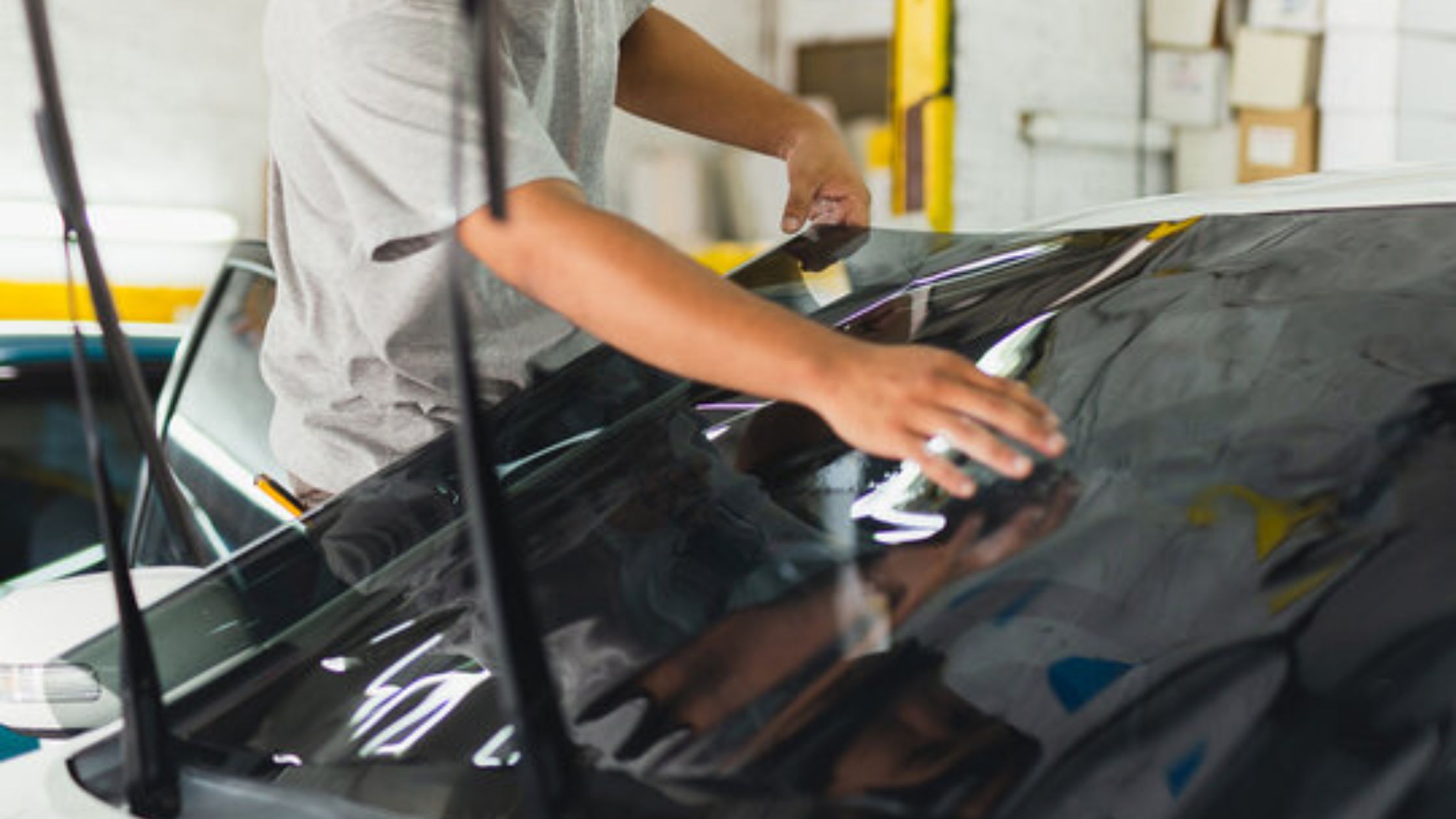
The environment in Charleston is not conducive to DIY window tinting. The high humidity and constant breeze mean that dust, pollen, and salt particles are always in the air. Professional tint shops work in climate-controlled, enclosed bays that are designed to minimize these contaminants. Even a tiny speck of dust trapped under the film can create a permanent bubble that ruins the look of the window.
Precision is also a major factor. Modern vehicles have complex glass shapes and tight rubber seals. A professional installer uses computer-cut patterns that are tailored to your specific make and model. This ensures a perfect fit with no gaps and reduces the risk of a technician accidentally cutting your glass or damaging your defroster lines with a razor blade.
When you pay for a professional installation, you are also paying for the warranty. Most premium films come with a lifetime warranty against bubbling, peeling, and fading. This provides peace of mind that your investment is protected. If you ever have an issue with the film, a reputable shop will stand behind their work and fix it at no additional cost to you.
Specialized Tools for a Perfect Finish
Professional installers use a variety of specialized tools that the average homeowner doesn't have. This includes high-pressure steamers for removing old film, industrial-strength heat guns for shrinking the film to fit curved glass, and a variety of specialized squeegees for ensuring every drop of water is removed from behind the film. These tools allow for a level of quality that is simply not possible with a DIY kit.
They also use specialized cleaning solutions that are designed to prepare the glass without leaving any residue. This is a critical step that ensures the adhesive bonds perfectly to the glass. A professional's eye for detail means they can spot potential issues, such as contamination or tiny chips in the glass, before the film is applied.
Post-Installation Care for Longevity
After your tint is installed, there is a curing period that usually lasts between three and five days. During this time, the remaining moisture between the film and the glass evaporates. It is important not to roll down your windows during this period to prevent the film from shifting. You may also notice some slight haziness or small water pockets, which are a normal part of the drying process and will disappear on their own.
Once the film is fully cured, maintenance is very simple. You should only use ammonia-free glass cleaners and a soft microfiber towel. Ammonia can break down the top coat of the film over time, leading to a dull finish. By following these simple steps, you can ensure that your window tint stays looking brand new for as long as you own your car or home.
Frequently Asked Questions
Is ceramic tint really worth the extra cost in Charleston?
Yes, for most residents, the significant increase in heat rejection makes it worth the investment. It makes your vehicle much more comfortable during the summer and reduces the strain on your air conditioning system, which can save you money on fuel and repairs in the long run.
Does window tint help with bridge glare?
Absolutely. A high-quality tint improves contrast and reduces the harsh reflections from the water and the bridge cables. This reduces eye strain and makes your daily commute over the Cooper or Ashley River much safer and more comfortable.
What is the legal tint limit in South Carolina?
For passenger cars, the legal limit is 27 percent VLT on all side windows and the rear windshield. Trucks and SUVs must have 27 percent on the front two windows, but the rear windows can be as dark as the owner prefers.
How long does window film last in coastal climates?
High-quality carbon and ceramic films are designed to last for the life of the vehicle. Because they are non-metallic and color-stable, they are perfectly suited for the salt air and high UV exposure found in the Charleston area.
Does ceramic tint interfere with GPS or radio signals?
No, ceramic tint is non-metallic and non-conductive. This means it has zero impact on your vehicle's electronic systems, including GPS, cell signals, TPMS sensors, and radio reception. It is the best choice for modern, tech-heavy vehicles.
Conclusion
Selecting the right film for window tinting Charleston is a critical decision for anyone who wants to survive and thrive in the South Carolina heat. While carbon film offers great durability and style, the advanced heat-rejection properties of nano-ceramic technology make it the ultimate choice for the Lowcountry's unique climate. By creating a powerful thermal barrier, you are not only improving your own comfort but also protecting your vehicle's interior and your family's health from the relentless coastal sun. Whether you are driving across the Ravenel Bridge or enjoying the view from your waterfront home, professional-grade window film provides a level of protection and privacy that is essential for modern Lowcountry living.
At Audio Evolution, we are proud to be the trusted experts for car and home window film in the Charleston region. We understand the specific challenges that our local weather presents, and we are dedicated to providing our clients with the highest quality materials and craftsmanship. Our team is here to help you navigate the various options and find the perfect balance of heat rejection, privacy, and style for your needs. We take an authentic, consultative approach to every project, ensuring that your installation is beautiful, legal, and built to last. When you are ready to experience the difference that professional window film can make for your comfort and your property's value, we invite you to reach out to our team. We look forward to helping you stay cool and protected for all the miles and years ahead.
- Hits: 1342