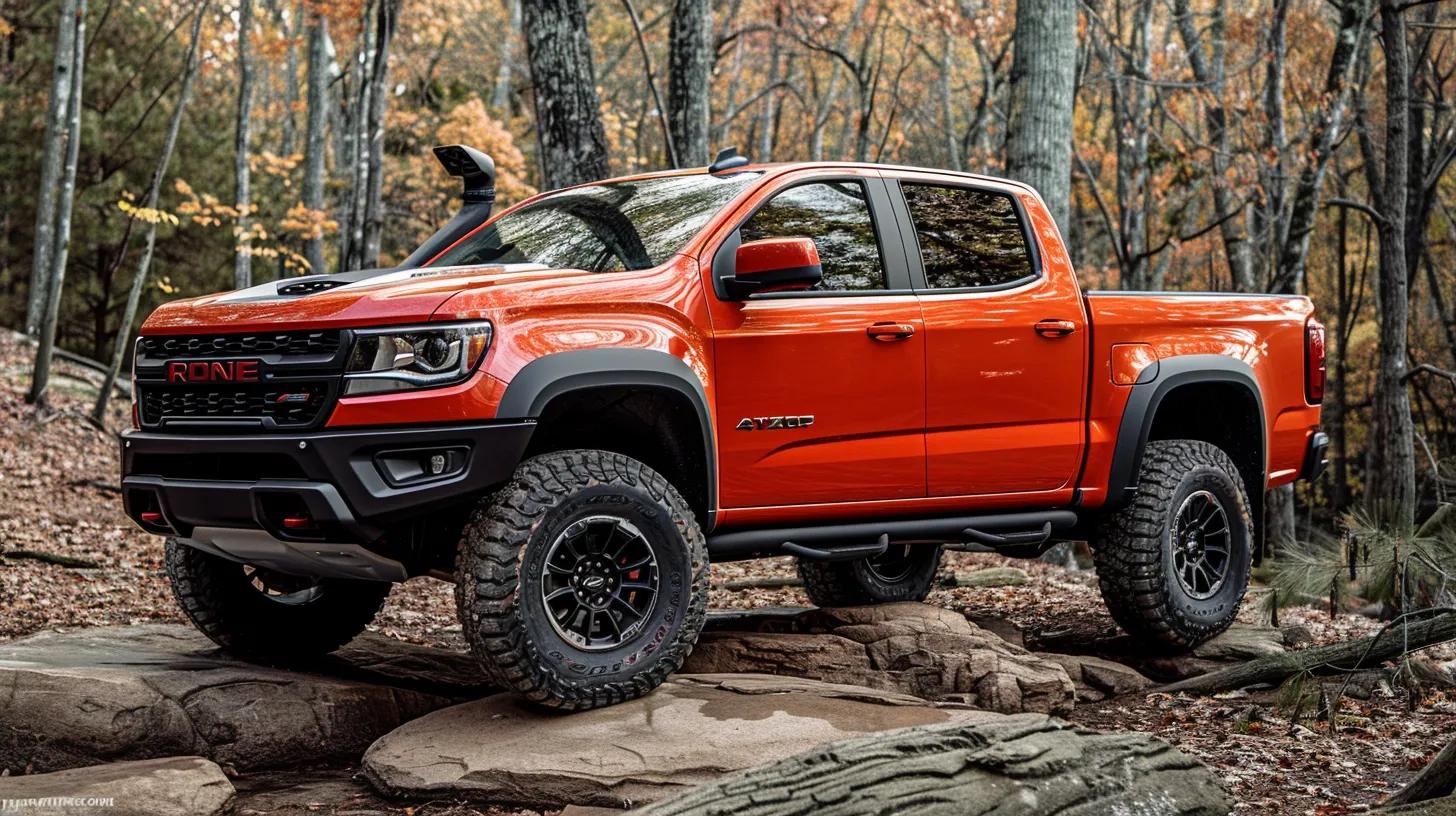
Top Charleston Truck Accessories Every Pickup Owner Should Have in 2025
If you own a pickup in Charleston, you need accessories that balance protection, everyday convenience, and resistance to coastal wear so your truck stays reliable and resale-ready in 2025. This guide walks through the upgrades that deliver the most value—security, easier access, interior protection, and smarter cargo organization—and explains how local climate and use-case should shape your choices. You’ll get clear selection criteria for tonneau covers, step rails, brush and grille guards, tool boxes, and WeatherTech floor mats, plus practical notes on when professional installation is worth the investment to preserve safety and warranties. We map accessory types, compare materials and styles with easy-to-scan tables, and include checklists for buying and installing so you can choose with confidence. Local search terms like truck upgrades Charleston, pickup accessories in Charleston, SC, and WeatherTech floor mats Charleston are woven into the guidance to help owners in our area find the right options for 2025. Read on to match each accessory to your real-world needs and know when to bring in a pro.
Which Truck Accessories Should Charleston Pickup Owners Prioritize in 2025?
The most valuable accessories for Charleston pickups boost security, simplify access, shield interiors from salt and sand, and keep cargo organized for both work and play. Each one solves a specific problem: tonneau covers lock down and reduce salt exposure, step rails make entry safer, brush guards protect the front end, tool boxes secure and sort heavy gear, and WeatherTech mats trap grit and moisture inside contained channels. Your ideal combo comes down to budget, daily use, and how much time the truck spends near salt air—prioritize durable finishes that are easy to clean and maintain.
For most Charleston pickup owners, the essentials are:
- Tonneau cover: Secures bed cargo, reduces weather exposure, and can improve aerodynamics and theft deterrence.
- Step rails / running boards: Make getting in and out easier, protect rocker panels, and add curb appeal.
- Brush guard / grille guard: Shields the front end from debris and minor impacts—handy on coastal roads and trails.
- Tool box: Centralizes tools, locks up gear, and helps distribute weight for safer hauling.
- WeatherTech floor mats: Full-coverage, all-weather protection against sand, salt, and moisture inside the cab.
Those items address protection & security, accessibility & convenience, and durability for coastal conditions—next we dive into tonneau covers and step rails with practical comparisons. Many of these product types are available locally through specialty installers who also offer professional fitment to protect warranties and ensure proper sealing.
Which Tonneau Covers Give the Best Balance of Protection and Style?
Tonneau covers protect cargo by sealing the bed and limiting access and water intrusion. The effect is straightforward: better security, cleaner cargo, and less exposure to salt and weather. Hard folding covers give strong protection and a polished look; soft roll-ups are budget-friendly and quick to access; electric retractables offer effortless operation plus solid security; and one-piece hinged covers provide the stiffest protection for heavy-duty use. Use the table below to match cover type to your priorities—protection, security, cost, ease of use, and weather resistance.
|
Tonneau Cover Type |
Protection |
Security |
Cost |
Ease of Use |
Weather Resistance |
|---|---|---|---|---|---|
|
Hard folding tonneau |
High |
High |
Medium-High |
Medium |
High |
|
Soft roll-up tonneau |
Medium |
Low-Medium |
Low |
High |
Medium |
|
Electric retractable tonneau |
High |
High |
High |
Very High |
High |
|
Hinged one-piece cover |
Very High |
Very High |
High |
Low |
Very High |
The trade-offs are clear: choose theft resistance and weather sealing if protection is your priority, or pick a roll-up for frequent, easy access. Hard folding covers and retractables stand up better to salt spray and wind-driven rain when mounted with proper seals and brackets; soft roll-ups need more frequent latch checks in coastal climates. Correct fitment and sealed latches cut water intrusion and abrasion from salt-laden air, extending the life of both the cover and the bed. If you’d rather not DIY, professional installation guarantees seals, latches, and mounts are fitted to spec to protect warranties and long-term weather resistance.
How Do Step Rails Improve Accessibility and Style?
Step rails—running boards or side steps—give you a stable platform for getting in and out of taller pickups. They transfer load to specific mounting points, reducing wear on door sills and helping children or older passengers climb in safely. Functionally they protect rocker panels from road debris; visually they’re available in chrome, painted, or powder-coated finishes so you can match or enhance your truck’s look.
Here’s a quick buyer checklist to narrow choices by material, capacity, and fit:
- Verify weight capacity: Make sure the rails support intended users and gear.
- Confirm vehicle-specific fitment: Match rails to cab configuration and mounting points.
- Pick a climate-friendly finish: Powder-coated or stainless finishes resist coastal corrosion best.
Aluminum rails are lightweight and naturally corrosion-resistant; steel versions carry higher loads but need good coatings to avoid rust. Powder coat and stainless accents help against Charleston’s salt air, and professional installers torque brackets to manufacturer specs to protect body panels and eliminate squeaks. Proper installation makes step rails a daily convenience that also preserves your truck’s exterior—next we explain why brush guards are worth considering for front-end protection.
Why Fit a Brush Guard or Grille Guard on a Charleston Pickup?
Brush guards and grille guards protect bumpers, the grille, and headlights from debris, animals, and shrubs by absorbing and redirecting impact forces away from vulnerable body panels. In Charleston’s coastal and suburban settings, guards also reduce damage from low-speed incidents and road splash carrying corrosive salt. Styles range from full-face brush guards that cover lights to low-profile grille guards for a subtler look; the material you pick will affect corrosion resistance and weight. The next section compares common materials and finishes to help you choose what's most durable here.
Which Materials and Styles Hold Up Best for Brush Guards?
Common materials are steel, stainless steel, and aluminum, each with pros and cons: steel is strong but needs a high-quality coating, stainless resists corrosion but costs more, and aluminum is light with good rust resistance but absorbs less impact energy. Powder coat and marine-grade finishes extend life in coastal climates by sealing metal against salt and humidity. Maintenance is simple: rinse salt regularly, inspect welds and mounts, and touch up chips promptly. For most Charleston drivers, stainless or well-coated steel delivers the best balance of strength and longevity.
|
Material/Style |
Durability |
Weight |
Corrosion Resistance |
Price |
|---|---|---|---|---|
|
Powder-coated steel |
High |
High |
Medium-High with coating |
Medium |
|
Stainless steel |
Very High |
High |
Very High |
High |
|
Aluminum |
Medium-High |
Low |
High |
Medium |
|
Coated tubular steel |
High |
Medium |
Medium-High |
Medium |
Comparing materials side-by-side highlights why finish and maintenance matter in salt-air environments; next we cover how guards affect safety and off-road performance so you can weigh benefits beyond corrosion resistance.
How Do Brush Guards Improve Safety and Off-Road Capability?
Brush guards reduce damage from low-speed impacts and keep debris from hitting headlights and radiator components, lowering the risk of roadside breakdowns and costly repairs. They spread impact forces to reinforced mounting points on the frame or bumper, easing stress on sheet metal and plastic parts—but always confirm sensor and airbag compatibility before installing. Off-road, guards improve approach protection and reduce the chance of brush or rock strikes. Trade-offs include added weight and minor effects on fuel economy or handling. Follow fitment guides and consider professional installation to ensure guards mount correctly and won’t interfere with sensors or factory safety systems.
Correct selection and mounting determine how impact forces route through the vehicle. Proper installation prevents accidental interference with wiring, sensors, or airbag systems and makes it easy to add auxiliary lighting or recovery points without compromising structure. With materials and mounting covered, we move on to tool boxes for bed organization and secure storage.
How Can Tool Boxes Improve Storage and Organization in Your Truck Bed?
Tool boxes centralize gear, lock tools behind secure lids, and help distribute weight across the bed so your truck handles predictably. They do this by providing fixed compartments and mounting points that stop gear from shifting and protect tools from salt and moisture. Designs vary by use: crossover boxes sit behind the cab for full-bed access, chest-style boxes offer rigid heavy-duty storage, and under-rail or side-mount boxes keep the bed floor clear. Focus on lock quality, sealed lids, and the mounting method (bolt-on vs. rail clamp) to ensure long life in Charleston’s climate. Below are typical box types and who they serve best.
- Crossover box: Best for contractors who need full-bed access with centralized storage.
- Chest box: Ideal when you need secure, heavy-duty storage near the cab.
- Under-rail / side-mount: Great for weekend users who want weather protection without losing bed floor space.
What Tool Box Types Are Available Locally in Charleston?
Charleston buyers can choose crossover, chest, side-mount, under-rail, and specialty saddle or modular systems depending on bed length and how they use the truck. Crossover boxes keep rear access open; chest boxes offer deep, secure storage up front; under-rail boxes preserve bed volume and shelter tools from the elements. Always confirm vehicle-specific fit and lock quality, and choose corrosion-resistant materials with sealed lids for coastal use. Comparing features helps you match the box type to whether you need full-bed utility, heavy secure storage, or space-saving protection.
Those distinctions guide decisions about access patterns and weight distribution and explain why professional installation is often recommended for tool boxes.
Why Invest in Professional Installation for Tool Boxes?
Professional installation mounts tool boxes to structural points and seals them to prevent shifting and bed damage, protecting both the box and the truck over time. Installers use the right hardware, torque specs, and sealants to avoid stress concentrations or water entry that cause corrosion. Properly installed boxes support warranties and reduce theft risk by using secure mounting methods. Since improper mounting commonly creates noise, movement, and bed damage, certified installation pays off in long-term performance and resale value. Next we’ll cover interior protection with WeatherTech floor mats to round out the accessory package.
Why WeatherTech Floor Mats Make Sense for Charleston Pickup Trucks
WeatherTech floor mats protect interiors with custom-fit channels and raised edges that trap sand, salt, mud, and water, preventing those contaminants from reaching carpet and electronics. Made from high-density thermoplastic molded to the vehicle’s floor plan, they’re easy to clean and help preserve resale value. For Charleston drivers dealing with beach sand, rainy seasons, and salt air, WeatherTech’s all-weather designs minimize moisture transfer, staining, and odor. The table below maps popular WeatherTech models to coverage, material, fit, and best-use scenarios to help you pick the right set.
|
WeatherTech Model |
Coverage |
Material |
Best For |
|---|---|---|---|
|
Full-Coverage (FloorLiner) |
Front + Rear + Cargo |
High-density TPE |
Work trucks & heavy contamination |
|
Deep-Ridge Mat |
Front + Rear |
Durable thermoplastic |
Daily drivers with mud/sand exposure |
|
All-Season Liners |
Front only |
Flexible TPE |
Light-duty protection & easy removal |
Full-coverage FloorLiners deliver the most containment for contractors and fleet trucks, while deep-ridge sets balance protection and cost for family vehicles. Maintenance is simple—regular rinsing and drying prevents salt buildup and prolongs the mat material. Next we explain the mat features that matter for Charleston weather.
How Do WeatherTech Mats Stand Up to Charleston’s Weather?
WeatherTech mats use raised lips and channel patterns to trap liquids and particles, keeping saltwater and sand out of seams and carpet fibers. The material resists UV fading and doesn’t absorb water, cutting down on mold and mildew risks in humid conditions. Cleaning is straightforward: remove the mats, rinse off salt and sand, and let them dry. That routine prevents abrasive wear to carpet backing and any nearby electronics. Choosing the right retention system and fit ensures mats stay put and don’t interfere with pedals or sensors.
Which WeatherTech Models Work Best in Pickup Trucks?
For pickups, full-coverage FloorLiners are the top choice when you need cargo-area protection and maximum containment. Deep-ridge front-and-rear sets are a solid, more budget-friendly option for daily drivers facing sand and occasional mud. Full-coverage is best for contractors and outdoor enthusiasts who haul dirty gear regularly; deep-ridge suits families who want strong protection without covering the cargo area. Always confirm vehicle-specific fit and retention clips so mats stay secure and don’t affect pedals or sensors—another reason professional installation can add value for safety and warranty reasons.
How Professional Installation Improves Your Accessory Experience
Professional installation makes sure accessories fit correctly, work as intended, and meet manufacturer requirements. Certified technicians bring training, the right tools, and repeatable workflows that reduce mistakes like misaligned brackets, stripped fasteners, or improper seal compression. Clear benefits include improved safety, preserved warranty terms, and longer product life. Typical installation steps we follow are consultation and measurements, precise mounting and sealing, functional testing, and a final walkthrough so you know how to care for your upgrade.
Installation by pros prevents leaks and rattles, follows manufacturer procedures to keep warranties valid, and leaves you with documented workmanship for future aftercare—these are the reasons many owners choose certified local installers for complex installs.
Why Trust Certified Technicians in Charleston?
Certified technicians bring proven skills and vehicle-specific experience that lower the risk of body damage or interference with sensors and factory systems. They understand local climate issues—salt exposure and humidity—and recommend materials and finishes that last. Certified installers use specialized tools and documented methods to meet torque and seal specs, and they provide post-install tweaks to correct settling or fitment issues. Choosing trained professionals ensures installations meet safety requirements and gives you clear guidance on maintenance and warranty-friendly practices.
Experienced installers also speed up the process by anticipating vehicle quirks and bringing the right hardware and sealants, which reduces downtime and avoids rework—next we cover what to expect during an installation appointment.
What Should Pickup Owners Expect During Installation?
Expect a five-step process: an initial consultation to confirm use-case and product choices; precise measurements and fit verification; the physical installation with correct mounting, sealing, and torqueing; functional testing of moving parts, sensors, and locks; and a final inspection plus a customer walkthrough covering maintenance. Ask about warranty impact, estimated timelines, and any sensor or airbag compatibility checks during the consultation. Installation time varies by accessory—floor mats and step rails are quicker; retractable tonneau covers and brush guards take longer due to alignment and wiring checks. Aftercare tips usually include routine salt rinses, periodic fastener checks, and recommended cleaning to protect finishes.
Clear expectations help you schedule installs to minimize downtime and get the best long-term result—next, where to find trusted providers in Charleston.
Where to Buy and Install Truck Accessories in Charleston
When choosing where to buy and install truck accessories in Charleston, look for shops that combine product selection, certified installation, local climate know-how, and solid aftercare. That mix ensures you get the right item and the right fit. Seek providers that stock tonneau covers, step rails, brush guards, tool boxes, and WeatherTech floor mats and who offer professional installation that preserves warranties. Audio Evolutions is a Charleston, SC-based shop specializing in vehicle enhancements—custom audio, window tinting, and a full range of truck accessories—with certified technicians and two local locations. Key strengths include expert installation, a broad product selection, customization options, local service, and a customer-first approach.
When comparing shops, ask about documented installation procedures, corrosion-resistant hardware and finishes, and post-install support—those factors matter most for trucks that spend time in coastal conditions.
How to pick the right truck accessories store in Charleston:
- Confirm installation capabilities and certified technicians: Ask about training, certifications, and documented procedures.
- Check brand availability and warranty handling: Verify coverage for both parts and installation.
- Read local reviews and request past installation examples: Look for similar vehicle fits and climate-aware choices.
Use this checklist during consultations, and bring vehicle details (cab size, bed length, and intended use) to get accurate recommendations and fitment quotes.
Why Audio Evolutions Is a Practical Choice for Charleston Truck Owners
Audio Evolutions is a local option focused on vehicle upgrades with professional installation and a broad accessories inventory. Their strengths include certified technicians, customization options, and a customer-focused approach across two Charleston locations. Product categories include custom audio, window tinting, and truck accessories—tonneau covers, step rails, brush guards, tool boxes, and WeatherTech mats—making them a one-stop partner for upgrades and installs. If you want bundled solutions—interior protection, secure storage, and style upgrades—working with a local installer that understands Charleston’s coastal challenges helps ensure a durable result.
Use the buyer checklist above and ask potential installers how they address coastal corrosion, mounting best practices, and warranty documentation when you make your final choice.
Frequently Asked Questions
1. What factors should I consider when choosing truck accessories for coastal environments?
Focus on corrosion resistance, durable materials, and easy maintenance. Pick stainless or well-coated steel, sealed lids, and raised-edge mats that keep salt and sand away from vulnerable surfaces. Match accessories to how you use the truck—daily driver, contractor, or weekend outdoors—and prioritize features that reduce long-term exposure to saltwater and humidity.
2. How can I ensure the longevity of my truck accessories?
Regular maintenance is the key: rinse off salt and sand often, inspect seals and fasteners, and touch up chips in coatings. Keep latches and seals on tonneau covers and tool boxes functioning properly, and consider professional installation so mounting points and torque specs are correct from day one.
3. Are there specific brands known for high-quality truck accessories?
Yes. WeatherTech is widely respected for floor protection. For tonneau covers, brands like Bak Industries and Truxedo offer reliable options. Dee Zee and Westin are known for durable step rails and brush guards. Always check reviews and warranty coverage before you buy.
4. What are the advantages of professional installation for truck accessories?
Professionals ensure accurate fitment, follow manufacturer procedures, and help preserve warranties. Certified installers reduce the risk of body damage, sensor interference, and improper sealing, and they provide post-install checks and maintenance advice to keep accessories performing as intended.
5. How do I choose the right tool box for my truck?
Decide how you use the truck and what you store. Crossover boxes suit contractors who need full-bed access, chest boxes are best for heavy tools that need rigid storage, and under-rail or side-mount boxes work well when you want to preserve bed floor space. Prioritize lock quality, sealed lids, and corrosion-resistant construction for coastal use.
6. What maintenance is required for WeatherTech floor mats?
Remove and rinse mats regularly to clear sand and salt. Use mild soap for stubborn grime and let mats dry completely before reinstalling. Inspect for wear and replace mats if they no longer provide secure coverage or retention.
7. How can I find the best local providers for truck accessories in Charleston?
Research shops that specialize in truck upgrades, have certified installers, and show positive local reviews. Ask about their experience dealing with coastal corrosion and request examples of similar installs. Visiting the shop in person helps you inspect products and talk through fitment and warranty details.
Conclusion
The right truck accessories make your pickup more useful, secure, and long-lived—especially around Charleston’s coast. From tonneau covers to WeatherTech mats, each upgrade solves a specific problem while protecting against the elements. Professional installation preserves fit, function, and warranties, so consider a certified local installer for complex work. Explore our selection of truck accessories and installation services to find the best fit for your needs.
- Hits: 1642